Sara Crewe MBTI性格类型
性格
"Sara Crewe是什么人格? Sara Crewe是MBTI中的INFJ人格类型,九型中的9w1 - so/sx - 947,五大类型中的RCOAI,Socionics中EII类型。"
Such a clear INFJ, almost to the point of being a caricature. Her whole thing is that she has this very personal, abstract narrative of what a princess is (Ni) and how that is the social role that she fits into and must employ in society and with others (Fe). Classic INFJ example of internally focused intuition on social interaction. I understand the INFP votes, but I think a solid example of why she couldn’t be an INFP is when you compare her to another character that’s very similar but different in a few key ways - Anne of Green Gables (xNFP). Both are of the same time, the same age, little orphans in a coming-of-age exploration with vivid imaginations and a propensity for storytelling. But they are clearly different characters - Anne’s storytelling often focuses on putting HERSELF in the story, playing make believe where she is on an adventure - she enjoys telling others her fantasies but doesn’t understand how to make them more palatable by others and doesn’t wish to cater her stories to them. They’re for her own discovery, pleasure, exploration, and to fulfill her sense of romanticism. This is largely Fi, while her Ne comes out more in how she bounces from story to story and takes a lot of inspiration externally - from trees or lakes or whatnot. For Sara, there’s a big point made of how her real talent is how she tells stories, how she uses them to connect to others, and how she uses them to develop her perspectives of the world instead of herself. One good example is right after she’s put in the attic and made an orphan - she’s miserable, and only becomes happy again when she is able to SHARE her story and imagination of the Bastille with Becky as this uplifts Becky’s mood and, as a result, her own (social harmony focused). She doesn’t come up with this story for her own sake at first, but because she can’t stand making Becky upset by being upset herself and refuses to let herself cry. This story cheers her up, but specifically cheers her up because it cheering someone else up and they can connect on it (Fe). When Becky leaves, she can’t sustain the fantasy. One example of many which demonstrates how she uses stories to connect with others, not to discover herself (Fe vs Fi). Sara is focused on who people are, what motivates them, how she can interact best with them - but in a way that largely revolves around constantly changing and shaping her overarching perspective of the world and the way the world works. She makes broad sweeping statements about the nature of human condition based on what Miss Minchin is like - she has a developed, consistent idea in her head that is very close to her that to act constantly as a princess is how she must approach the world, because she has an abstract understanding of how princesses are kind and royal. This is Ni. She doesn’t demonstrate the jumping between ideas with a constantly shifting worldview that Ne users like Anne demonstrate - she has a clear, single, and very internal idea of how the world works and her place in it. One of the few things that upsets her is when she is forced to share a story or idea she hasn’t fully developed yet - this is 100% Ni > Ne. She needs a clear start and end, a clear message, a linearity that Ni users need - compare again Anne, who often makes up the story as she’s telling them, and often doesn’t have a story with a beginning and end - it’s more a general fantasy of a haunted wood, not the story of someone travelling through the haunted wood. It’s wayyy overly simplistic to say she’s an INFP because she makes up stories and sticks to her morals. All types have the ability to do this. Storytelling and being a good storyteller is just as likely for an Fe user as it is for an Ne user - overarching morals is just as common in Fi, Ni, Fe, and Te users. It’s about why these stories are told, how the morals are framed, what the priorities for the individual are. Sara is not interested in self discovery and authenticity (Fi) through constant rotation of new, sometimes slightly incoherent ideas (Ne). she is interested in developing an abstract, linear perspective of the world (Ni) and how this involves the way that she treats and interacts with other people (Fe) (this perspective ends up being ‘some people are bad and treat others poorly, so I will be good and treat others well’ - again, compare Anne of Green Gables, where the novel is much more about her personal development and how she turns into the bright and wonderful young woman that she is, not necessarily about her finding her purpose and meaning in life, just growing into herself).
背景
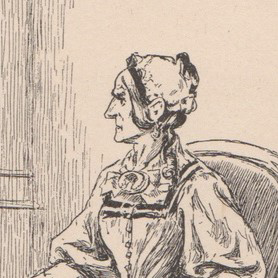
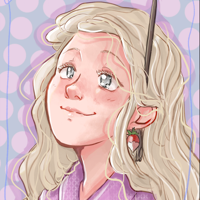
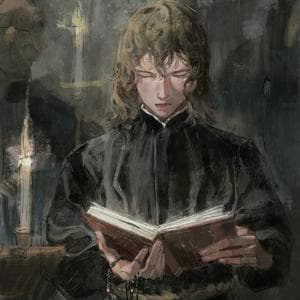
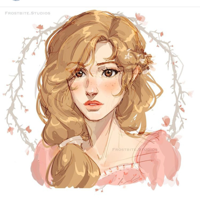
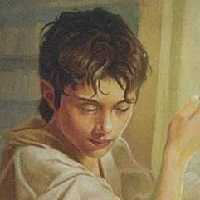
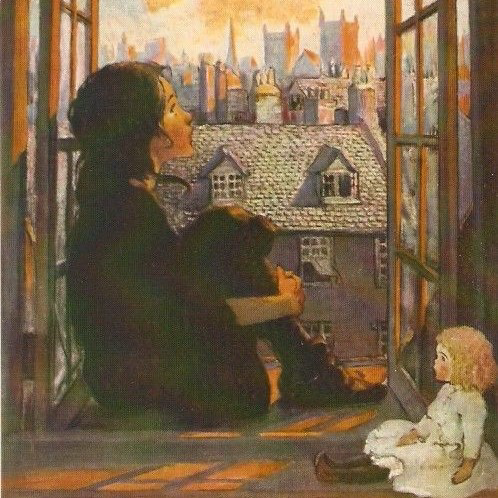
The protagonist of the story, Sara is a wise, imaginative young girl. In spite of her wealthy background, she reacts with equanimity to the misfortunes and abuses that befall her after her father's death. Sara's emotional survival depends on her lively inner life, especially her fantasy of being a princess who helps those in need. She shares her stories and fantasies with friends, helping them to change their outlook on reality and to behave more generously. When she recovers her wealth and position of power, Sara uses her resources to help others.