J. Marion Sims MBTI Personality Type
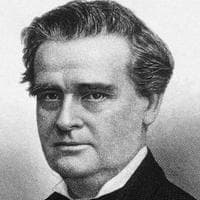
Personality
What personality type is J. Marion Sims? J. Marion Sims is an ENTP personality type in MBTI, 3w4 - - in Enneagram, in Big 5, in Socionics.
Biography
James Marion Sims (January 25, 1813 – November 13, 1883) was an American physician in the field of surgery. His most famous work was the development of a surgical technique for the repair of vesicovaginal fistula, a severe complication of obstructed childbirth.[3] He is also remembered for inventing Sims speculum, Sims sigmoid catheter, and the Sims position. Against significant opposition, he established, in New York, the first hospital specifically for women. He was forced out of the hospital he founded because he insisted on treating cancer patients; he played a small role in the creation of the nation's first cancer hospital, which opened after his death.[4] He was one of the most famous and venerated physicians in the country. In 1876, he was elected President of the American Medical Association. He was one of the first American physicians to become famous in Europe.[5] He openly boasted that he was the second-wealthiest doctor in the country.[6] However, as medical ethicist Barron H. Lerner states, "one would be hard pressed to find a more controversial figure in the history of medicine."[7] A statue in his honor, the first statue in the United States in honor of a physician,[8] was erected in 1894 in Bryant Park in New York City, but removed in 2018. There are ethical questions raised by how he developed his surgical techniques.[9] He operated without anesthesia on enslaved black women (who, like prisoners, could not meaningfully consent because they could not refuse).[9][7] In the twentieth century, this was condemned as an improper use of human experimental subjects and Sims was described as "a prime example of progress in the medical profession made at the expense of a vulnerable population".[9] He has been called a "butcher" and compared to Nazi physician Josef Mengele.
Related Personalities

Charles Darwin
Richard Dawkins
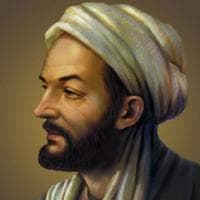
Avicenna / Ibn Sina

Jane Goodall
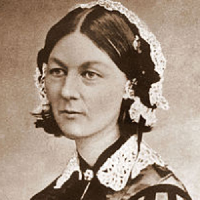
Florence Nightingale
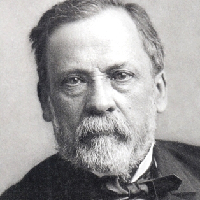
Louis Pasteur
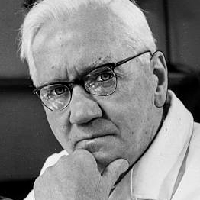
Alexander Fleming
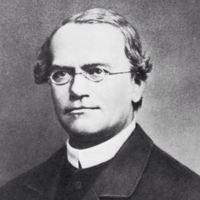
Johann Gregor Mendel